Throttle control with resistance
When an electronic throttle control lacked the tactile feel of a traditional cable-operated system, a friction-based solution was developed to recreate the correct resistance – without affecting digital signal transmission.
Electronics Without Mechanical Feedback
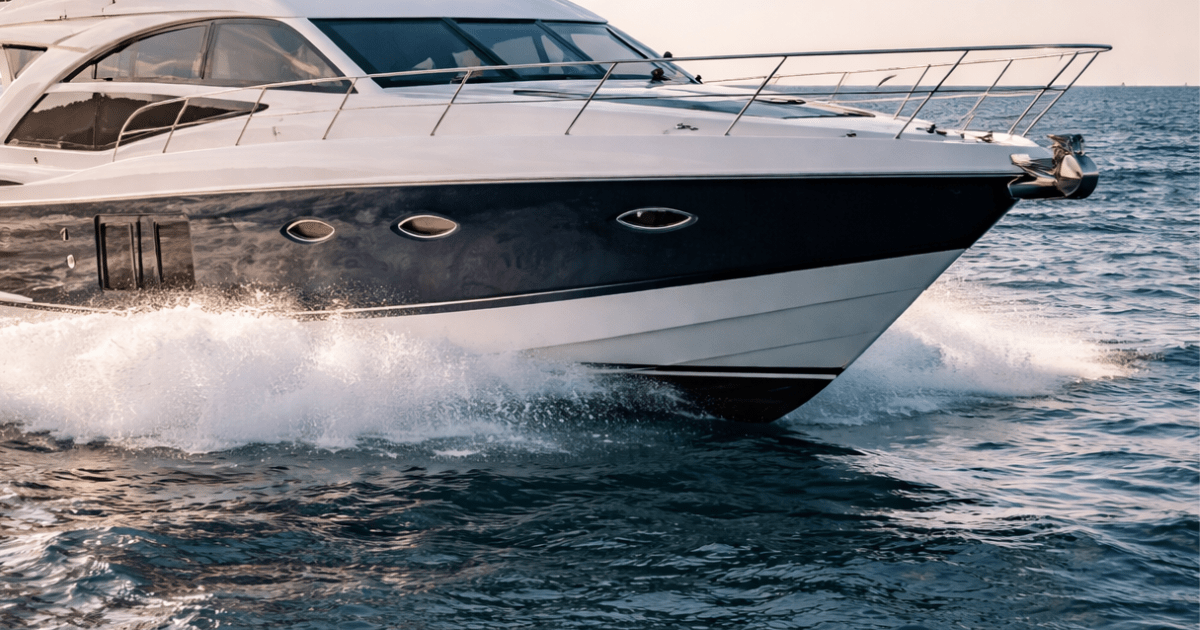
A supplier to a boat manufacturer faced a specific challenge. On a yacht model, steering, throttle, and gear shifting were integrated into a common onboard electronic network.
The electronic signal transmission between control lever and engine functioned correctly from a technical standpoint – but the user experience had changed. Without a mechanical cable connection, the natural resistance associated with precise maneuvering disappeared. The control lacked counterforce and, consequently, part of the tactile feedback.
Friction Solution for the Right Feel
To restore the desired sensation, we recommended a solution based on friction technology.
By hot-bonding a high-coefficient friction material to a plastic carrier, a controlled and repeatable resistance was created in the throttle control. The solution delivered:
-
Smooth movement
-
Defined resistance
-
Stable performance over time
Material selection and processing were optimized to achieve the right balance between tactile feel and durability.
Cost-Effective Production
The component was adapted for an automated and cost-efficient production process. The result was a technically simple yet functionally critical detail that restored the expected “boating feel” – despite fully electronic control.

